Mirzapur Weaving Tradition & Generational Artisan Craft Since 1976
Heritage Carpets: Five Decades of Master Hand-Knotted Artistry
Established in 1976 as Paliram Laxmi Narain, Paliram Carpets preserves the centuries-old hand-knotted carpet heritage of Mirzapur, crafting timeless heirloom floorcoverings.
The Living Tradition of the Mirzapur-Bhadohi Carpet Belt
The carpet belt encompassing Mirzapur and Bhadohi in Uttar Pradesh is globally acknowledged as the historic epicenter of Indian handmade carpet manufacturing. Dating back to the Mughal era in the 16th century, master weavers along the banks of the sacred Ganges perfected hand-knotting techniques inspired by Persian, Caucasian, and Central Asian traditions.
This enduring artisanal mastery led to Mirzapur and Bhadohi receiving the prestigious Geographical Indication (GI) certification from the Government of India. At Paliram Carpets, our looms continue this living heritage, employing generational weavers whose families have passed the intimate tactile knowledge of warp, weft, and knotting from parent to child across centuries.
Paliram Laxmi Narain, est. 1976: A Fifty-Year Legacy
Founded in 1976 under the registered name Paliram Laxmi Narain, Paliram Carpets began with a singular mission: to celebrate authentic Indian handloom artistry on the international stage. Over five decades of continuous dedication, our humble weaving sheds grew into an internationally respected export manufacturer trusted by more than 1,000 discerning clients across 25+ nations.
While modern manufacturing increasingly turns to mechanized tufting machines and synthetic fibers, our workshop proudly adheres to traditional timber pit looms and vertical wooden frames. We preserve authentic human handcraft that infuses every carpet with individuality, soul, and heirloom longevity that machine products cannot replicate.
KPSI Knot Density, Natural Dyes & Heirloom Durability
The hallmark of a true heritage carpet lies in its knot density, measured in Knots Per Square Inch (KPSI). Our master artisans tie each asymmetrical Persian (Senneh) or symmetrical Turkish (Ghiordes) knot entirely by hand, achieving densities ranging from 100 to over 300 KPSI.
This painstaking precision yields exquisite pattern definition, crisp floral medallions, and dense pile resistance that withstands heavy foot traffic for 50 to 100 years. We combine this knotting mastery with natural vegetal dyes extracted from pomegranate rinds, madder root, indigo, and walnut husks, producing organic earthy patinas that grow richer and more luminous with age.
Passing the Shuttle: Sustaining Generational Weaver Communities
True luxury is ethical. The soul of Paliram Carpets resides in our artisan community. We provide fair living wages, safe and naturally illuminated weaving studios, comprehensive healthcare assistance, and educational support for weaver families in Mirzapur.
By investing deeply in our weaver communities, we ensure that younger generations take pride in mastering this sacred craft. When you invest in a Paliram heritage carpet, you directly support ethical artisan livelihoods and help safeguard one of humanity’s most treasured intangible cultural heritages.
Artisan Weaving Excellence & Material Textures
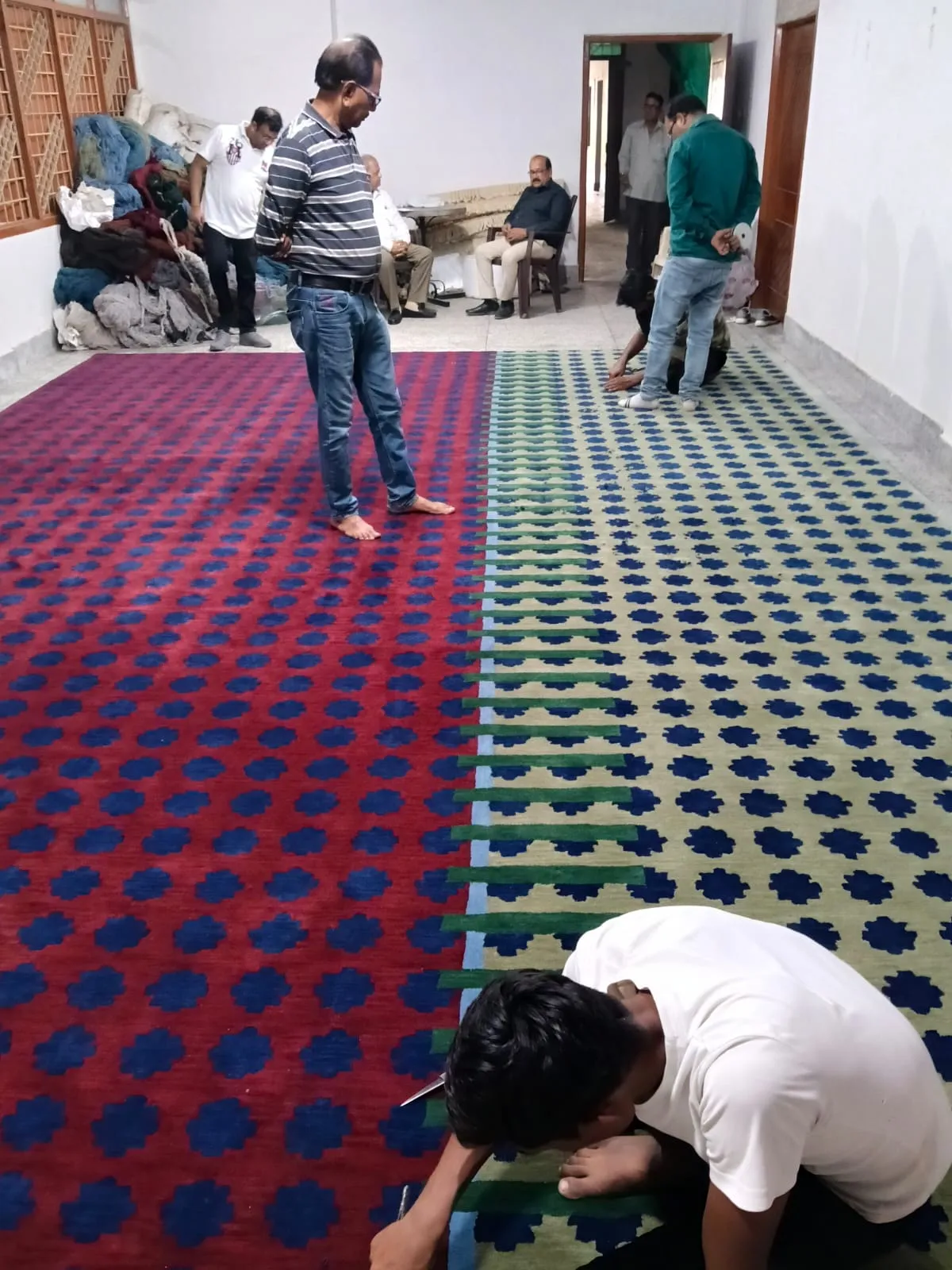
Rigorous pattern and knot inspection at our Mirzapur workshop.
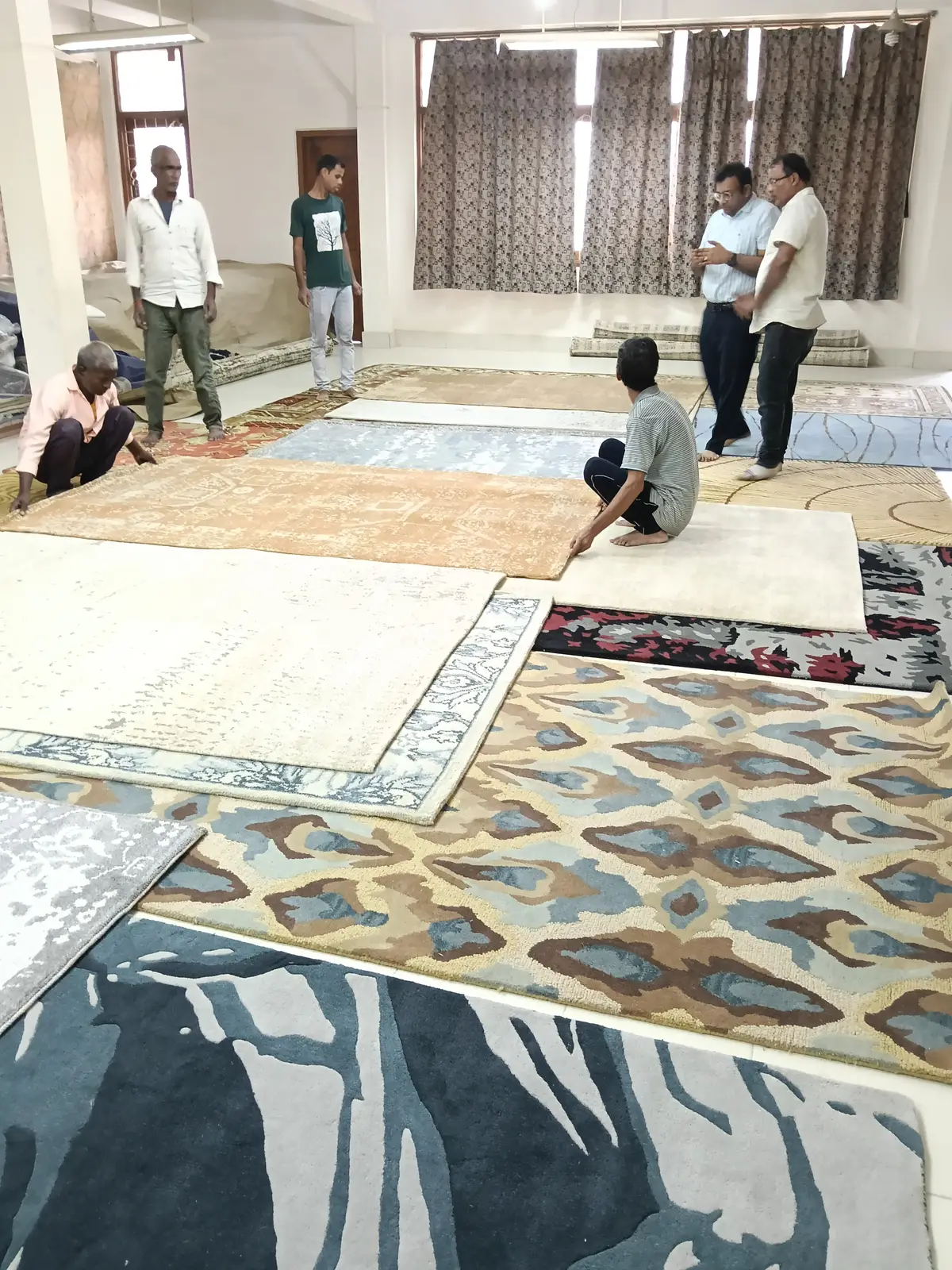
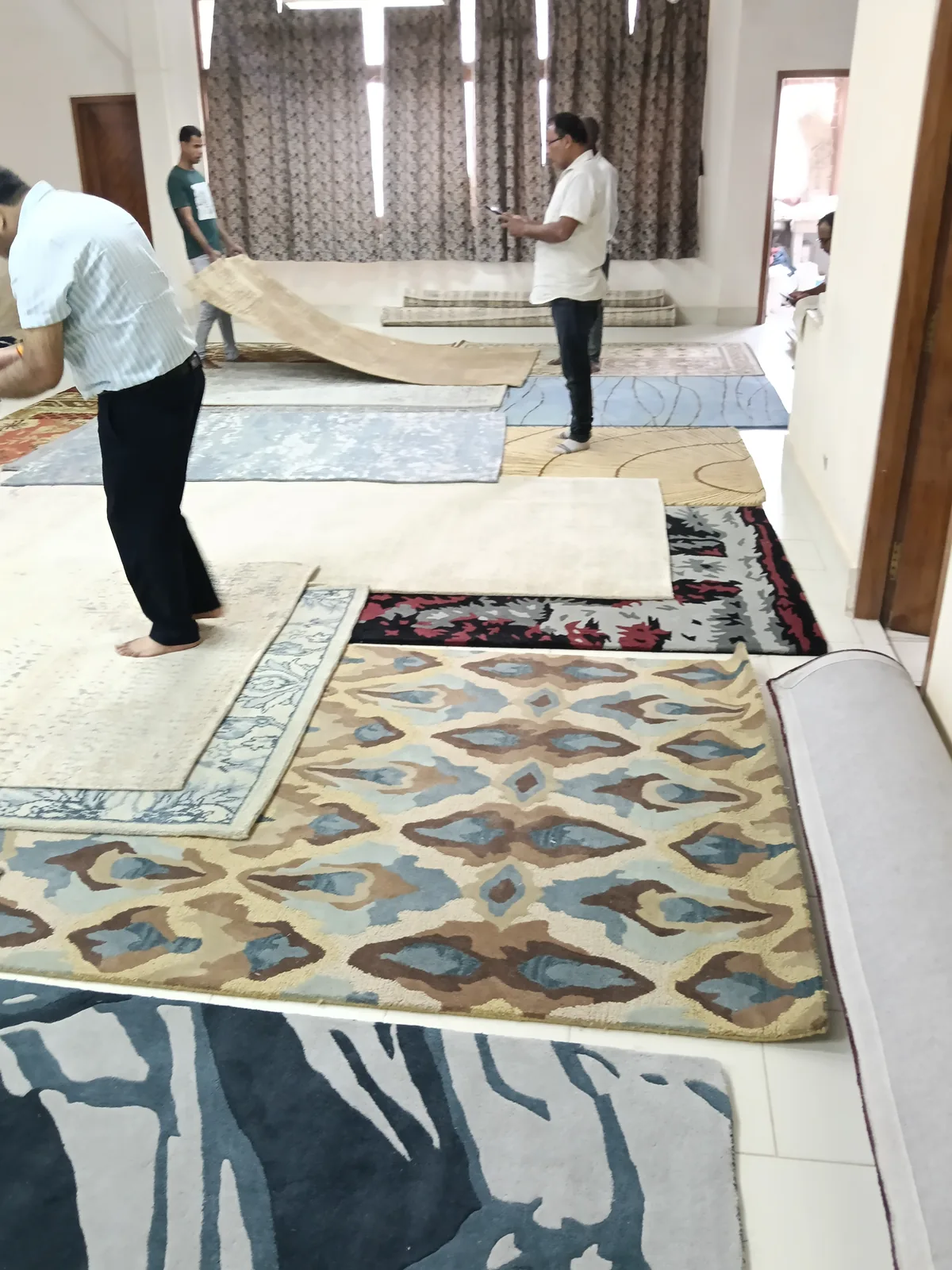
Finished carpets laid out for export measurement calibration.
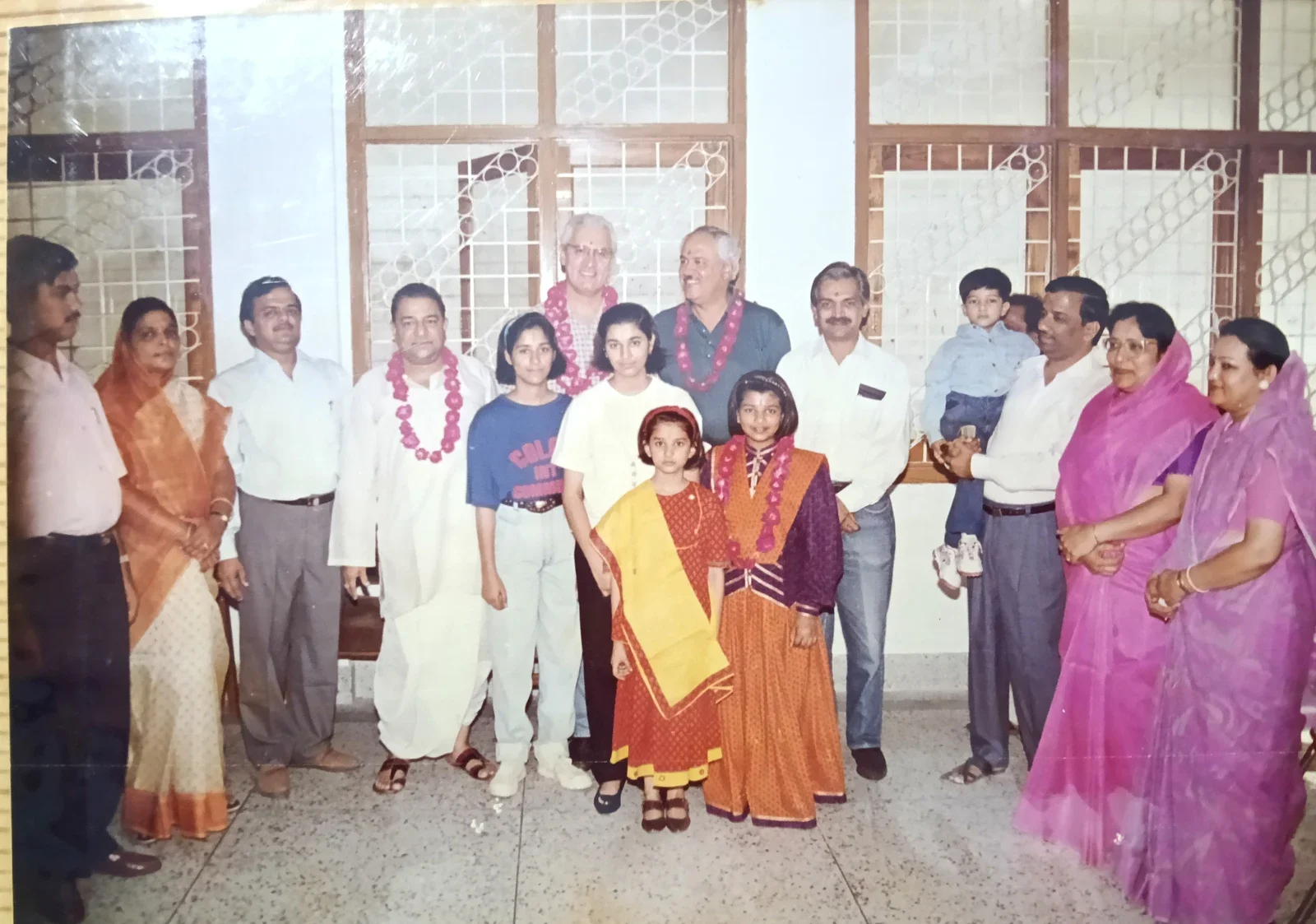
Five decades of master weaving heritage in Mirzapur since 1976.
Custom Weaving Consultation
Ready to Commission Your Custom Handmade Rug?
Share your required dimensions, color palette, or architectural blueprint with our master loom team in Mirzapur. We provide custom CAD renderings, yarn pom-poms, and insured worldwide delivery.
Help & Insights
Frequently Asked Questions
What makes a hand-knotted heritage carpet different from a machine-made rug?
Hand-knotted heritage carpets are tied knot-by-knot on vertical looms by human artisans without chemical adhesives or latex backings. They possess individual artisan character, repairable fringes, natural wool breathability, and can endure for 50 to 100+ years as family heirlooms.
What does KPSI mean and how does it affect carpet quality?
KPSI stands for Knots Per Square Inch. Higher KPSI indicates finer detail, crisper pattern lines, and greater structural density. Typical heritage carpets range from 100 to over 300 KPSI depending on the design complexity and yarn count.
How should I clean and preserve a hand-knotted heritage rug?
Regular gentle vacuuming without rotating beater bars, prompt blotting of liquid spills with cool water and mild wool shampoo, and professional artisan washing every 3 to 5 years ensure your heritage rug maintains its luster for generations.
Can you reproduce an antique or museum heritage carpet design?
Yes. Our master graph designers can recreate historical Persian, Oushak, Tabriz, or Mughal antique designs from photographs, antique fragments, or museum archives.
 SKU: 2962
Hand Knotted Textures
Material: NZ Wool & Silk • Custom sizes available on loom
 SKU: 0010-1
Hand Knotted Textures
Material: NZ Wool & Silk • Custom sizes available on loom
 SKU: 0014-1
Hand Knotted Textures
Material: NZ Wool & Silk • Custom sizes available on loom
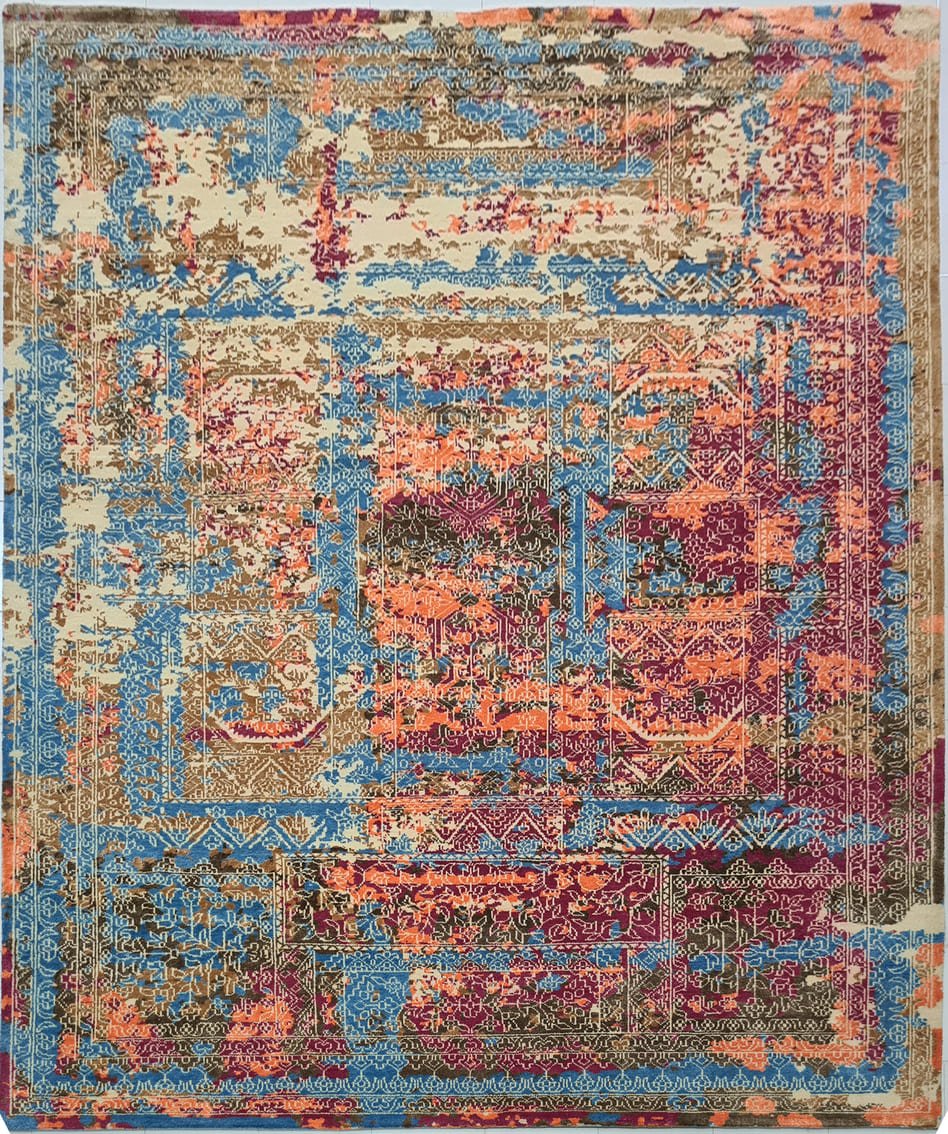 SKU: 1012
Hand Knotted Textures
Material: NZ Wool & Silk • Custom sizes available on loom
 SKU: 0017-1
Hand Knotted Textures
Material: NZ Wool & Silk • Custom sizes available on loom
 SKU: 0020-1
Hand Knotted Textures
Material: NZ Wool & Silk • Custom sizes available on loom
Authentic Mirzapur Workshop
Direct from Our Weaving Looms in Mirzapur Since 1976
Generations of Mirzapur-Bhadohi weaving families preserving centuries-old Persian and Mughal knotting traditions.
Traditional organic herbal washing and courtyard sun-curing developing deep antique patina and luster.
Explore Related Collections & Guides
Explore our founding milestones from 1976 to our global export present.
Our story, family roots, and master artisan philosophy in Mirzapur.
Comprehensive guide to the historic carpet belt and GI tag craft.
Detailed walkthrough of yarn spinning, dyeing, knotting, and washing.
