

When investing in an authentic handmade floor covering, one of the most fundamental questions every buyer asks is: Should I choose a kilim rug or a hand-knotted rug? While both are centuries-old artistic traditions practiced by master weavers in Mirzapur, India, they differ radically in weaving technique, tactile feel, visual presence, durability, and price.
Whether you are designing a bustling family living room, an executive commercial suite, or a peaceful bedroom sanctuary, understanding these core differences ensures you select the perfect piece for your home and lifestyle.
Understanding the Weaving Techniques: Flatweave vs. Hand-Tied Knots
The core distinction between kilims and hand-knotted rugs lies in how they are constructed on the loom:
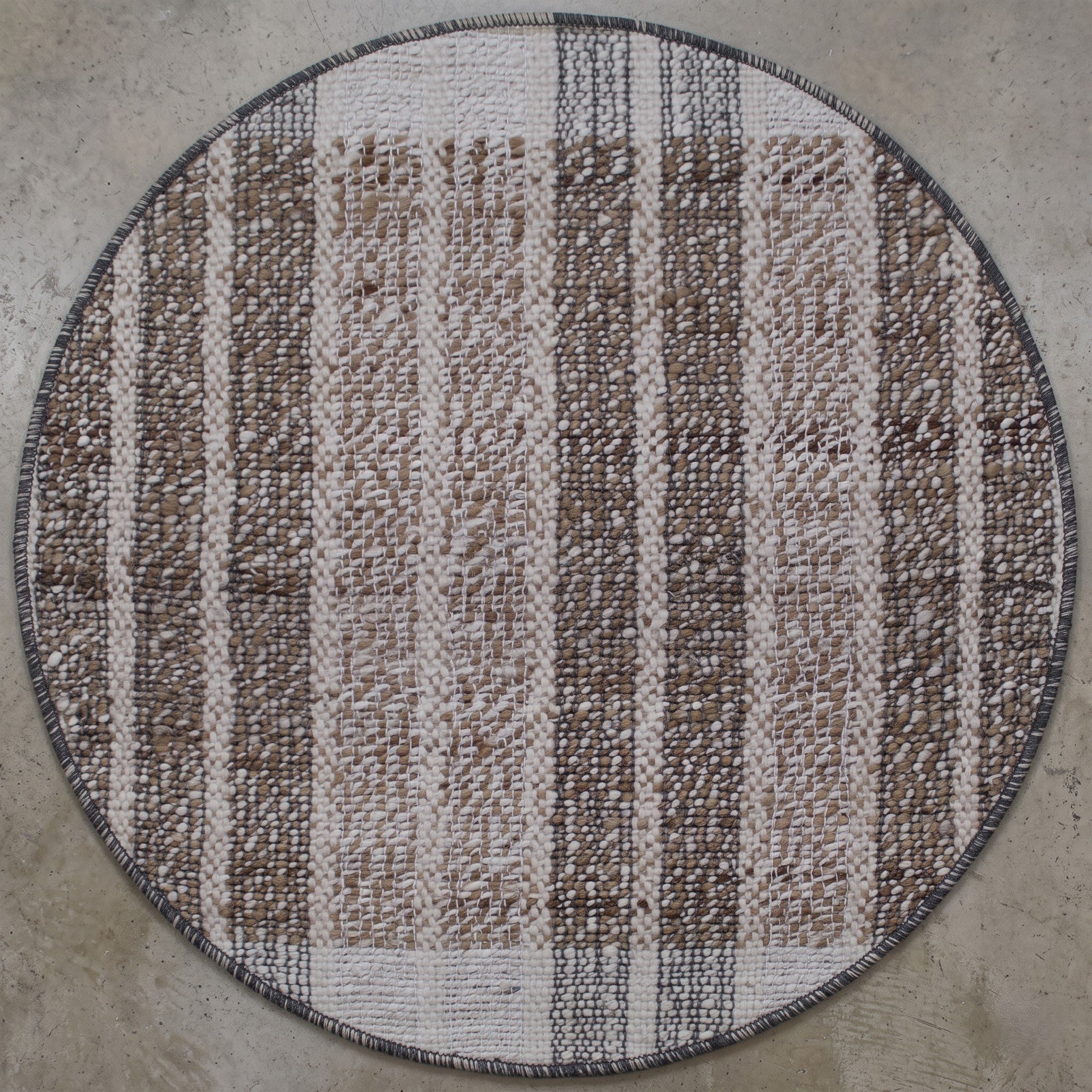
- Kilim Rugs (Flatweave): A kilim is woven using a flat-tapestry technique where the colored horizontal weft yarns are tightly interwoven through the vertical warp threads. There is no pile, no backing, and no knots. Because the pattern is woven right through the fabric, authentic kilims are completely reversible. Explore our curated designs in the Modern Kilim Rugs collection.
- Hand-Knotted Rugs (Pile Weave): In contrast, hand-knotted carpets require an artisan to tie individual knots onto the warp threads one by one, cutting each knot to create a lush, upright pile. A single 8x10 ft hand-knotted rug can contain between 500,000 to over 1,500,000 individually tied knots, requiring months of skilled labor. Discover these heirloom treasures in our Hand-Knotted Textures collection.
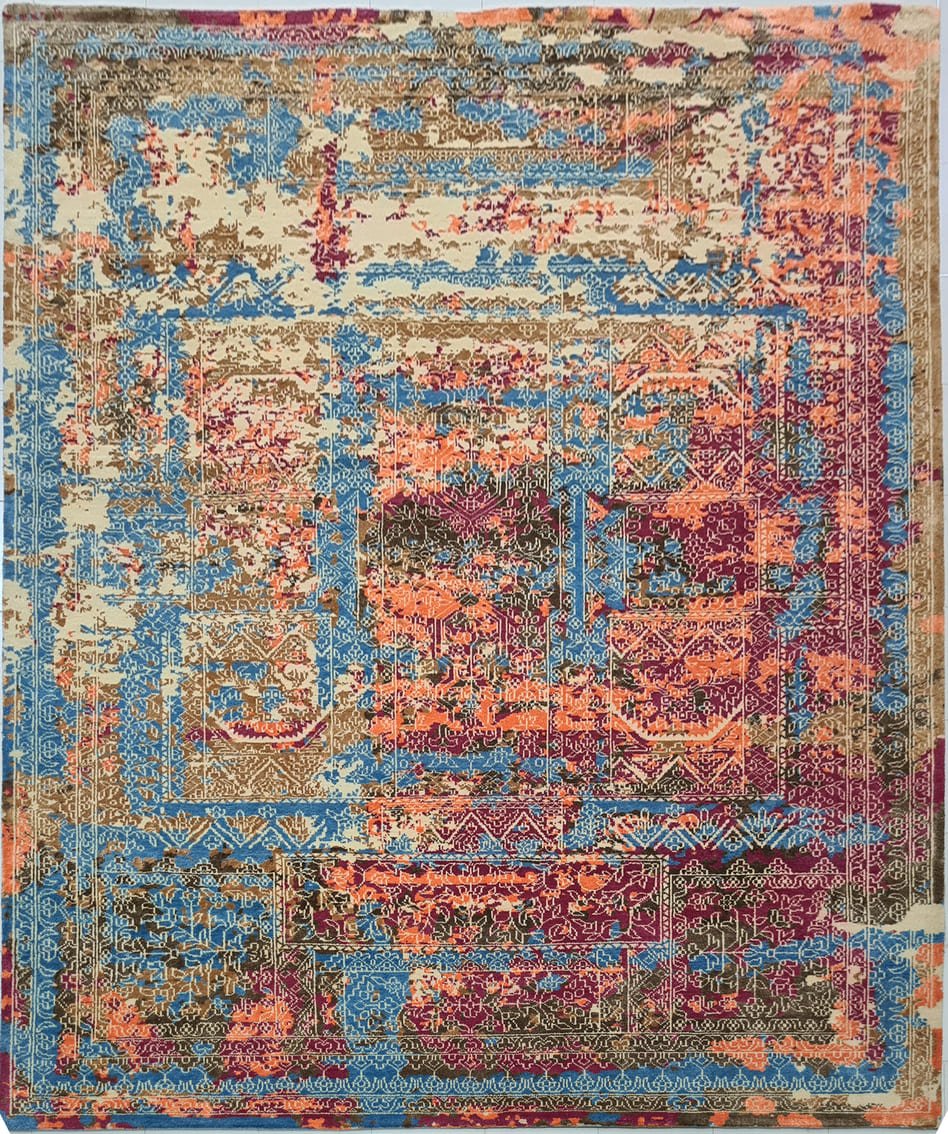
Texture, Pile Height & Underfoot Comfort Compared
Underfoot sensation is often the deciding factor for homeowners:
- Kilim Rugs: Slim, lightweight, and grounding. With a thickness of only 4mm to 6mm, kilims offer a crisp, architectural finish. They slide easily under low-clearance doors and are effortless to move or re-style.
- Hand-Knotted Rugs: Luxuriously plush and sound-dampening. Ranging from 8mm to 16mm in pile height, hand-knotted wool rugs provide superior thermal insulation against cold tile or hardwood floors, absorbing room echoes and delivering a cozy, inviting feel.
| Feature | Kilim Rugs | Hand-Knotted Rugs |
|---|---|---|
| Weaving Style | Flatweave (Interwoven warp & weft) | Individual hand-tied knots on loom |
| Pile & Thickness | Zero pile (4 – 6 mm flat) | Plush pile (8 – 16 mm depth) |
| Reversibility | 100% Reversible (both sides identical) | Single-sided pile with knotted back |
| Production Time | 4 to 8 weeks | 10 to 20+ weeks |
| Lifespan | 20 to 40+ years with proper care | 50 to 100+ years (Heirloom grade) |
| Price Point | Accessible artisan luxury ($$) | Prestige heirloom investment ($$$$) |
Durability, Traffic Tolerance & Longevity
Both styles are handcrafted from pure New Zealand wool and natural fibers, giving them resilience far superior to machine-tufted carpets containing synthetic glues.
Kilims are champion performers in dining rooms, casual family lounges, and breakfast nooks where chairs slide back and forth effortlessly. Their lack of pile prevents chair legs from digging in or crushing the fibers. Consult our Carpet Care Guide to learn easy cleaning tips for flatweaves.
Hand-Knotted Rugs are the pinnacle of longevity. Because each knot is independent, even if one fiber wears, the surrounding structure remains intact. Over decades, fine wool hand-knotted rugs develop a coveted antique patina that increases their value among collectors.

Room-by-Room Guide: Where to Place Kilim vs. Hand-Knotted Rugs
- Formal Living Rooms: A high-density hand-knotted rug anchors your primary seating area with unmatched sophistication and presence.
- Dining Rooms: A kilim flatweave or natural Jute Wool Rug allows dining chairs to glide easily without catching on high pile.
- Bedrooms: Hand-knotted rugs offer the warmth and comfort you want to step onto every morning.
- Hallways & Entryways: Kilim runners provide durable, slip-resistant floor accents that withstand heavy foot traffic.
- Patios & Sunrooms: For areas exposed to dampness or sunlight, consider our specialized Indoor-Outdoor Rugs.
Frequently Asked Questions About Kilim vs Hand-Knotted Rugs
Which is more durable: a kilim rug or a hand-knotted rug?
Both rugs offer exceptional durability when woven from pure natural wool. Hand-knotted rugs are virtually indestructible and can last over 50 to 100 years as family heirlooms. Kilim rugs are flat and reversible, offering exceptional resistance to heavy daily wear and easy cleaning.
Are kilim rugs reversible?
Yes, authentic flatweave kilim rugs woven by Paliram Carpets feature identical patterns on both the front and back. This dual-sided design allows you to flip the rug periodically to ensure even wear and double its lifespan.
Which rug is better for pet owners and high-traffic households?
Kilim rugs and flatweaves are excellent for busy pet households because pet claws cannot catch in loops, and pet hair does not penetrate deep pile. However, high-density hand-knotted wool rugs with low cut pile are equally resilient and naturally shed liquids due to natural wool lanolin.
Can both kilim and hand-knotted rugs be custom-made in bespoke sizes and shapes?
Yes! Paliram Carpets manufactures both kilim and hand-knotted rugs to exact architectural dimensions, including oversized dimensions, hallway runners, round shapes, and organic silhouettes.
Still Deciding Between Kilim & Hand-Knotted?
Explore our complete catalog or visualize both styles directly inside your living room using our 3D visualization technology.
Try Room Visualizer →